From Advocacy to Exploration
The youth mental health crisis is becoming impossible to ignore. Over the past few years, I have watched more and more students around me struggle with anxiety, burnout, and depression – often silently. It seemed like these struggles had become normalized for young people, and it was becoming increasingly common to feel overwhelmed all the time. After seeing this and through my personal experiences with isolation after a cross-country move, I became passionate about mental health advocacy.
Through my work with AIM Youth Mental Health and the initiatives that I have led in my community, I have focused on creating spaces where students can speak openly about stress and challenges without feeling judged. In my journey, I have organized international mental health conferences and awareness campaigns, and I soon began to understand that advocacy involved creating accessible systems of support for those who need it most.
At the same time, I have always been interested in a completely different world: applied math. For a long time, I always saw my two passions as disconnected. I was passionate about helping people and working in mental health spaces, but I was also interested in quantitative analysis and programming. Throughout the beginning of high school, I felt like I had to choose between my two interests, whether it was in clubs or activities outside of school. I was constantly trying to pursue my two interests separately.
Finding the Intersection Through My Mentorship
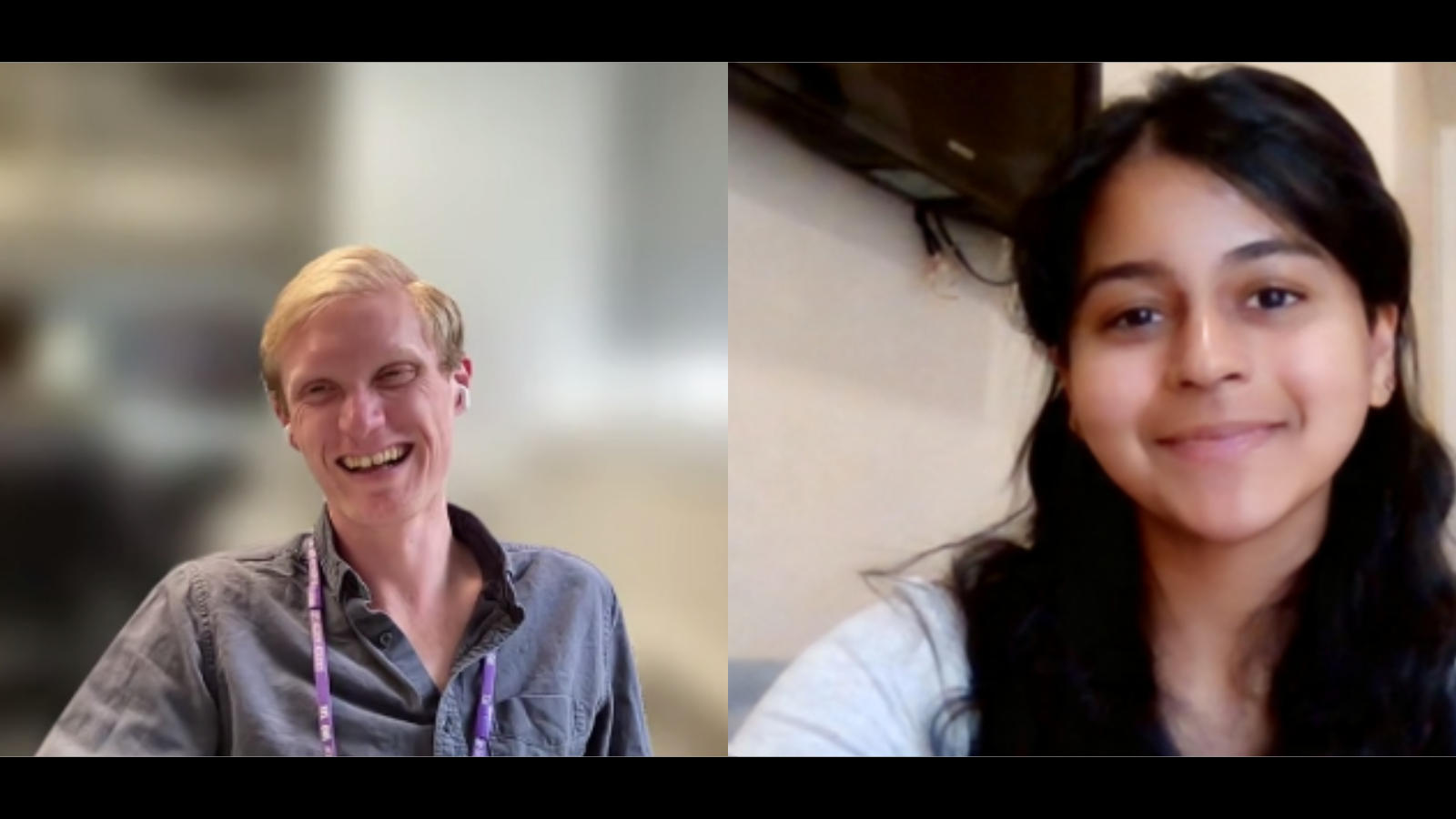
When I initially applied for AIM’s mentorship opportunity under clinical science fellow Carter Funkhouser, Ph.D., at Columbia University, I thought of it as another opportunity to build on my mental health research and interests. The project aims to develop online single-session interventions for adolescents that will be integrated on Mental Health America’s website to reduce symptoms of depression.
As I learned more about the project, I began to learn that many of the processes behind building digital interventions were based in data science and coding. Within a few months, I worked with my mentor to find ways for me to help contribute to the code behind data analysis and plotting changes in depression symptoms before, during, and after intervention. I am now continuing to support the iteration process of the interventions, organizing qualitative feedback, and altering the interventions based on the feedback.
Moving Forward
My experience so far has taught me that I don’t have to separate my interests. Mental health advocacy and math can work together in powerful ways. Now, I don’t imagine my interests are separate, and I hope to continue participating in interdisciplinary projects after I graduate high school. I hope that anyone interested in psychology or mental health advocacy knows that they don’t have to limit themselves. AIM has so many opportunities for you to explore interdisciplinary projects and fields, and all it takes is one application.