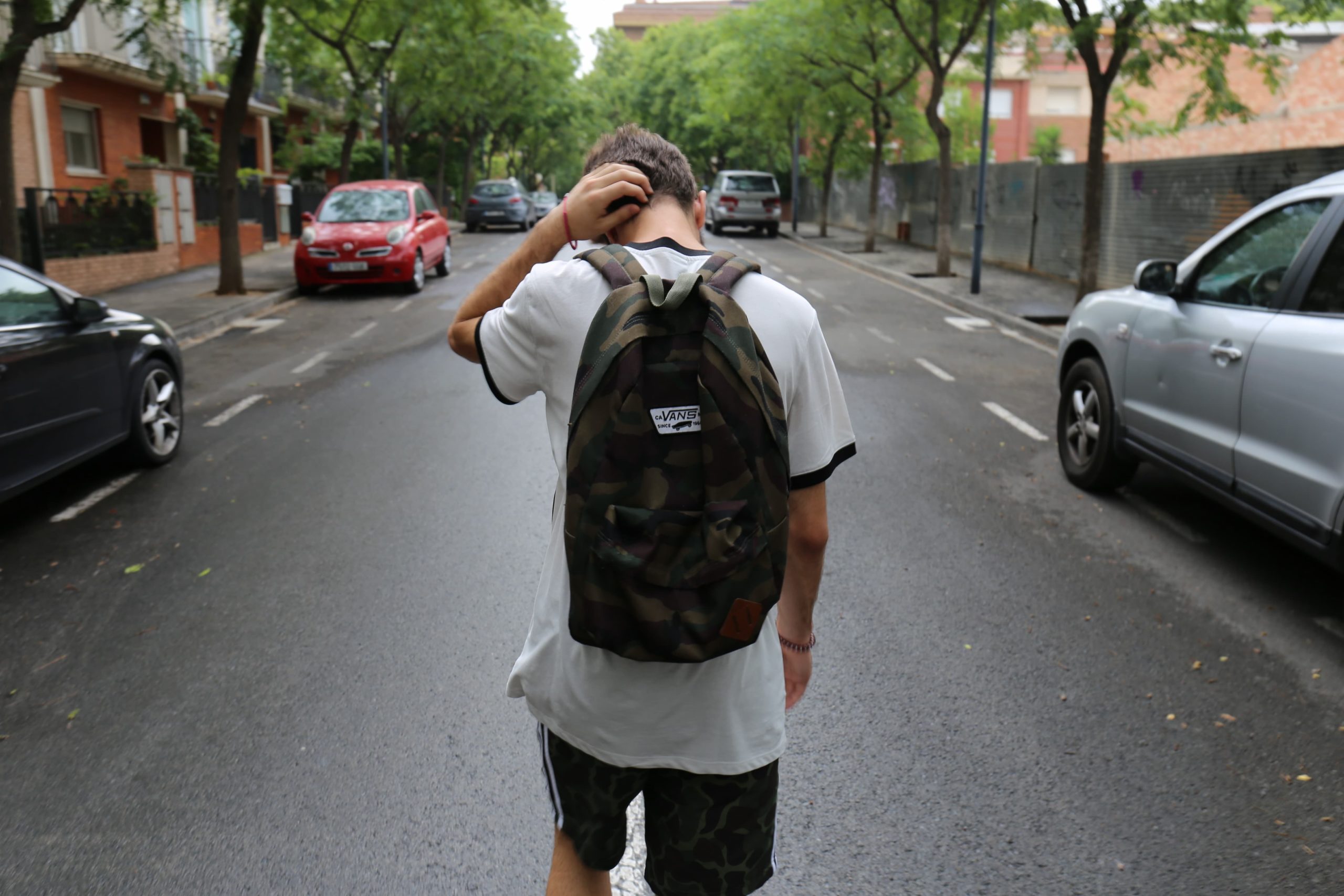
Back-to-school season can bring excitement, stress, and everything in between. Here are some of the habits and strategies I’ve found helpful for managing school-year stress, avoiding burnout, and taking care of my mental well-being.
One of AIM’s new Science Advisory Board members, Benjamin Goldstein, is spearheading cutting edge research on the connection between heart disease and bipolar disorders in teens.
Though discussions of mental health have gained ground in recent years, we still have a long way to go — especially when it comes to mental health for youth.
Back-to-school season can bring excitement, stress, and everything in between. Here are some of the habits and strategies I’ve found helpful for managing school-year stress, avoiding burnout, and taking care of my mental well-being.
AIM Youth Ambassador, Aerin, explores the disconnect between teens and adults when it comes to understanding social media usage. She encourages parents to destigmatize the role social media plays in a teen's life.
AIM Youth Ambassador, Saisha, shares how her passion for mental health advocacy led her to an unexpected intersection with applied math - using data and research to build tools that support teens.
AIM Youth Ambassador, Aerin, explores the disconnect between teens and adults when it comes to understanding social media usage. She encourages parents to destigmatize the role social media plays in a teen's life.
Back-to-school season can bring excitement, stress, and everything in between. Here are some of the habits and strategies I’ve found helpful for managing school-year stress, avoiding burnout, and taking care of my mental well-being.
AIM Youth Ambassador, Aerin, explores the disconnect between teens and adults when it comes to understanding social media usage. She encourages parents to destigmatize the role social media plays in a teen's life.
AIM Youth Ambassador, Saisha, shares how her passion for mental health advocacy led her to an unexpected intersection with applied math - using data and research to build tools that support teens.
When young people arrive at emergency departments in crisis, support can’t wait. AIM is funding new research to test a single-session intervention designed to help youth at risk for suicide during and after their visit to the ED.
Funding cuts at the National Institute of Health and elsewhere threaten research on mental health treatment for youth. Private foundations like AIM Youth Mental Health can help.
Back-to-school season can bring excitement, stress, and everything in between. Here are some of the habits and strategies I’ve found helpful for managing school-year stress, avoiding burnout, and taking care of my mental well-being.