
Emergency departments (EDs) are often the first place young people turn in moments of mental health crisis. Across the U.S., more youth than ever are being identified as at risk for suicide when they arrive at the hospital. Yet many leave the ED without receiving immediate mental health support or tools to help them cope once they return home. This gap is especially concerning because the period immediately after a suicide attempt is one of the highest-risk times. Among youth evaluated in the ED for a suicide-related concern, as many as 15% attempt suicide within 6 months of their visit.
AIM Youth Mental Health (AIM) is proud to invest in new research led by Jessica Schleider, Ph.D. Juan Pablo Zapata, Ph.D., at Northwestern University, and Jennifer Hoffmann, M.D., M.S., at Ann & Robert H. Lurie Children’s Hospital of Chicago, to address this critical gap in care.
The project will test a Navi single-session intervention designed to support youth who screen positive for suicide risk during an ED visit. The intervention is delivered through a self-guided experience on the Navi platform.
Single-session interventions (SSIs) are short, structured programs designed to provide meaningful mental health support in just one encounter. Research has shown these approaches can reduce symptoms of depression and anxiety in young people and can be delivered digitally, making them highly scalable. “Digital approaches won’t replace clinicians — but they can dramatically expand our reach. That’s how we can start to close the gap between how many kids need help and how many actually receive it,” Hoffmann explained.
In this study, Schleider, Hoffmann, and their team will adapt a single-session intervention on the Navi platform specifically for the fast-paced environment of EDs and pilot it with youth ages 10 to 17 who screen positive for suicide risk. The project will evaluate whether the intervention is feasible to deliver during emergency visits, whether young people find it helpful, and whether it shows early signs of improving mental health outcomes and encouraging follow-up care.
Importantly, the project will involve youth, caregivers, and ED staff in shaping the design and implementation of the intervention, ensuring it meets the real-world needs of patients and clinicians.
“We are honored to partner with young people, caregivers, and clinical teams to tailor digital SSIs for real-world EDs. Centering their lived experiences and expertise represents a pivotal, but often overlooked, step to ensuring new programs have a lasting impact on clinical care,” said Schleider.
By supporting innovative approaches like this, AIM is working to expand access to effective mental health support in moments when young people need it most.
“Suicide prevention is among AIM’s highest priorities. We are so grateful for this partnership because it puts an innovation that works right in the hands of young people who need it, right when they need it most. We need to save lives now, and testing the Navi single-session intervention in emergencies is the first step to getting this innovation in the hands of more kids in crisis all across the country,” said Jolie Delja, executive director at AIM.
About AIM Youth Mental Health
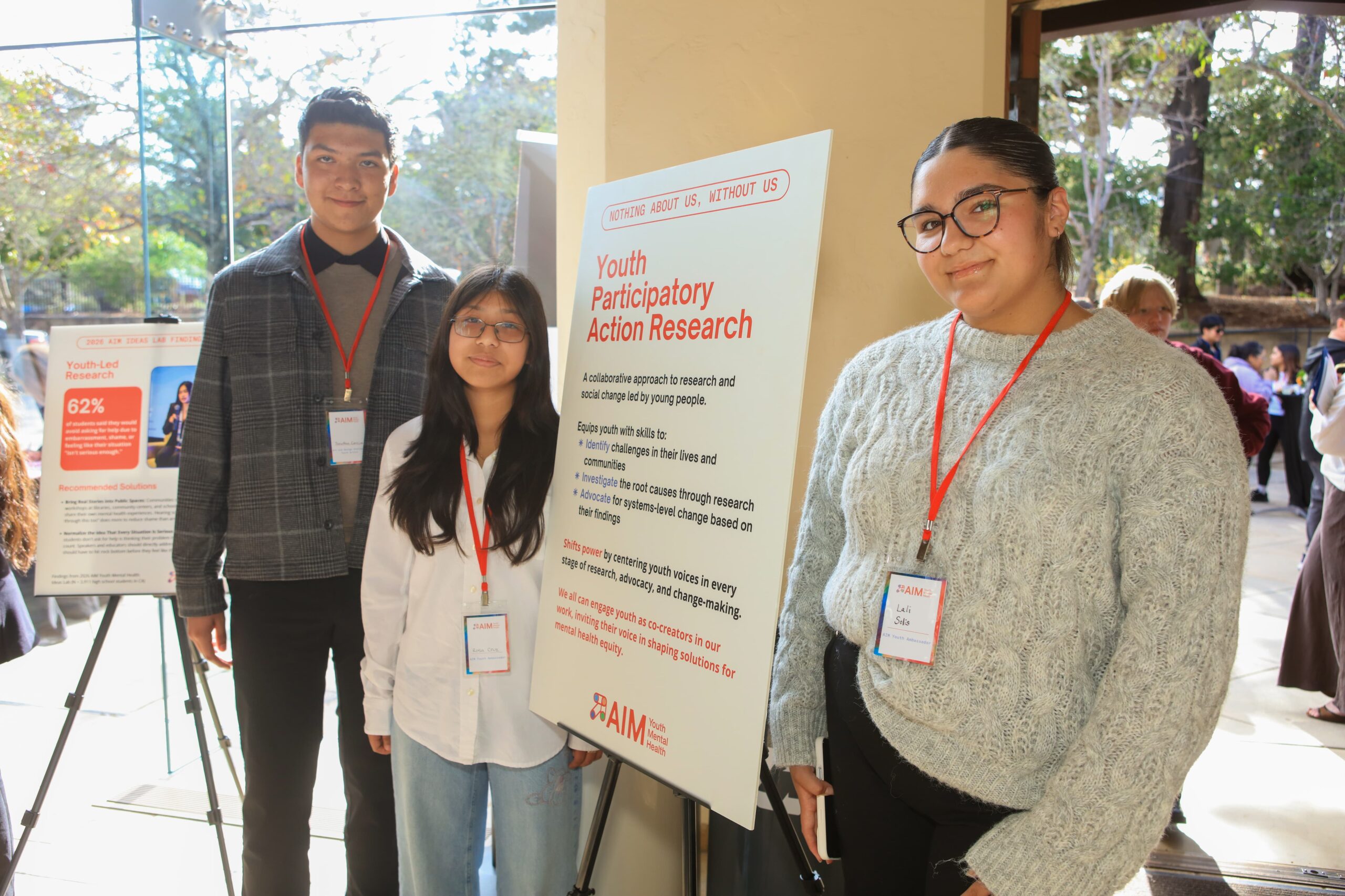
Founded in 2014, AIM is a national organization expanding access to evidence-based mental health solutions for young people. Built with youth and grounded in science, AIM operates as a dynamic feedback loop where research informs youth-led action, and youth insight drives innovation and measurable impact. Through its Research Impact Fund and AIM Ideas Lab, the organization invests in early-career scientists and equips young people to lead research and shape real-world solutions in their schools and communities.
About Navi
Navi is a 24/7, evidence-based digital platform that empowers young people with single-session mental wellness support, designed to make a meaningful impact in each encounter. It enables digital single-session supports that target specific evidence-based coping skills and equip every teen with a concrete action plan for next steps, delivered as self-guided “mini activities” within the Navi app. Navi was co-founded by Dr. Schleider, whose research informs the platform.